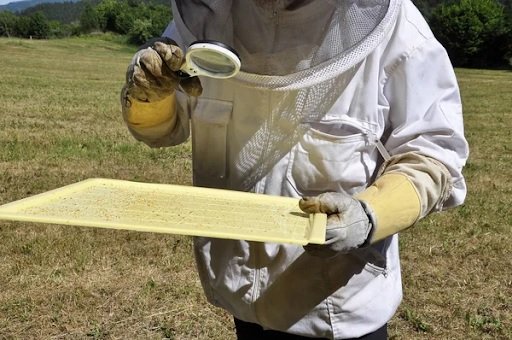
In modern agriculture, technology is no longer a luxury; it is a necessity. Among the most impactful innovations are advanced pest monitoring systems, which provide farmers with real-time data to prevent and manage pest infestations effectively. These systems empower agricultural operations, both large and small, to implement targeted, efficient, and environmentally responsible pest control strategies. By leveraging precise data, farmers can optimize crop protection, reduce costs, and improve sustainability.
Understanding the Science of Pest Monitoring
A pest monitoring system combines technology and data analytics to track, detect, and analyse pest activity across agricultural fields. These systems integrate sensors, machine learning, and real-time reporting to create a detailed understanding of pest behaviour and environmental conditions.
A key advantage is the ability to identify specific pest species, assess population density, and predict potential outbreaks. This predictive capability allows farmers to take proactive measures, reducing the reliance on broad-spectrum chemical pesticides. By monitoring pest activity continuously, these systems help safeguard crops while promoting eco-friendly and sustainable farming practices.
Core Components of Modern Pest Monitoring Systems
Modern pest monitoring relies on a combination of technologies that work together seamlessly:
Sensors and Traps: Placed strategically in the field, these devices detect movement, temperature changes, and light variations to track pest activity. Advanced traps can even identify pest species automatically.
Data Analytics: Collected data is processed through powerful analytics engines that detect patterns and generate actionable insights. Machine learning algorithms enhance accuracy over time, providing increasingly precise predictions for pest outbreaks.
User Interface and Alerts: Farmers access insights through intuitive interfaces, often via mobile applications. Alerts and recommendations guide timely interventions, allowing quick action to prevent crop damage.
Cloud-Based Platforms: Cloud technology enables secure data storage, remote access, and scalability. Farmers can monitor pest activity and make informed decisions from anywhere, ensuring timely responses to potential threats.
Together, these components create a cohesive system that enhances monitoring precision, reduces response times, and improves crop protection efficiency.
Economic and Environmental Benefits
Adopting pest monitoring systems offers significant economic advantages. By detecting pest threats early, farmers can minimise crop losses and optimise pesticide use, reducing costs on both chemicals and labour. This results in more sustainable and financially viable farming operations.
Environmentally, these systems play a crucial role in minimising chemical pesticide application. Overuse of pesticides can harm soil health, contaminate water sources, and negatively impact beneficial insects. Precision pest monitoring supports eco-friendly farming by promoting targeted interventions, maintaining biodiversity, and preserving soil quality.
Challenges and Considerations
Despite their advantages, pest monitoring systems come with challenges. Initial investment costs may be high, particularly for smaller farms. Farmers may also face a learning curve in operating systems and interpreting complex data. Regular maintenance and software updates are essential to ensure accurate data collection and system reliability.
Integration with existing farm equipment and digital tools is another consideration. Compatibility and interoperability with other smart agriculture solutions are critical for maximising system benefits. Training and ongoing technical support are essential for farmers to fully leverage these technologies and realise their potential in precision agriculture.
Real-World Applications and Case Studies
Pest monitoring systems are already delivering impressive results in various agricultural sectors. In vineyards, precision monitoring has reduced grapevine moth infestations, improving yields while cutting down chemical treatments. Row crop farmers cultivating maize, soybeans, and other staples have successfully used these systems for early armyworm detection, safeguarding harvests.
Fruit and vegetable growers benefit from consistent quality and yield improvements through precise pest population tracking. These case studies highlight the importance of customising pest monitoring solutions to specific crops, climates, and local pest profiles, ensuring maximum effectiveness and sustainability.
The Future of Pest Monitoring Technology
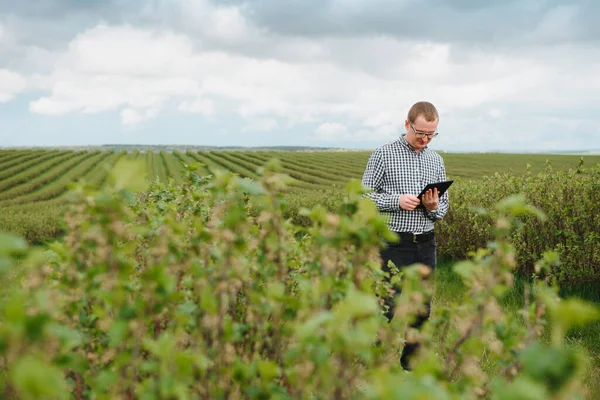
The evolution of pest monitoring systems promises even greater efficiency and sophistication. Emerging technologies include enhanced sensors, advanced analytics, and integration with comprehensive farm management platforms. Artificial intelligence can deliver more accurate analysis of pest behaviour, while drone-based monitoring offers a broader perspective of field conditions and potential infestations.
Continued investment in research and development, along with collaboration between technology providers, academia, and agricultural practitioners, will drive innovation. Expanding these solutions to underserved regions and crop types ensures equitable access to precision agriculture, contributing to global food security.
As pest monitoring technologies advance, their role in sustainable farming will become increasingly critical. By combining predictive analytics, real-time monitoring, and environmentally conscious practices, these systems represent a major step forward in modern agricultural management.
Conclusion
Pest monitoring systems are transforming the agricultural landscape. By providing actionable, data-driven insights, these technologies enable farmers to manage pests effectively, reduce chemical use, and protect crop yields. Their adoption not only improves economic outcomes for farmers but also supports sustainable practices that benefit the environment. As innovation continues, pest monitoring systems will remain a cornerstone of smart, efficient, and responsible farming, shaping the future of global agriculture.