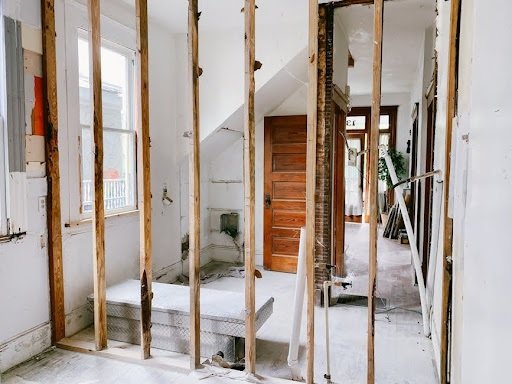
In today’s fast-paced world, interior renovation has become more than just a way to enhance a living space; it is a means of expressing personal style and adapting to a lifestyle that resonates with the home or office occupant. This is particularly evident in Singapore, where the blend of cultural richness and modernity is reflected in the way spaces are reimagined. Platforms like Renonation.sg play a pivotal role in providing insights and inspiration for those embarking on the journey of home transformation.
The Contemporary Approach to Interior Design
Singapore’s interior renovation scene is vibrant and constantly evolving, driven by changing lifestyle preferences and advancements in design technology. Homeowners today are moving away from traditional layouts, embracing open-concept designs that create a seamless flow between rooms. These spaces not only look modern but also maximise efficiency, making the most of compact apartments and urban homes.
Materials such as sustainable wood, tempered glass, and metals are being used creatively to add elegance while remaining environmentally conscious. The emphasis on eco-friendly materials reflects a growing global awareness of sustainability, influencing renovation choices significantly. Modern interiors often combine durability, aesthetics, and energy efficiency to meet both functional and environmental needs.
Technology’s Impact on Interior Renovation
Technological advancements have transformed how interior renovations are planned and executed. Smart home systems are increasingly popular, allowing homeowners to control lighting, temperature, and security features via smartphones or voice commands. These systems not only offer convenience but also contribute to energy efficiency.
Virtual reality (VR) and augmented reality (AR) have revolutionised design visualisation, enabling homeowners and designers to experience spaces before construction begins. These tools reduce guesswork, minimise costly mistakes, and ensure renovation outcomes closely match the intended vision.
Cultural Influences on Modern Interiors
Singapore’s multicultural heritage plays a significant role in interior design, adding depth and uniqueness to contemporary spaces. Design elements such as Peranakan tiles, intricate wood carvings, and traditional Chinese motifs are often integrated into modern layouts. This fusion of old and new allows homes to celebrate heritage while maintaining a fresh, stylish look.
Incorporating cultural elements also personalises spaces, creating environments that feel meaningful and familiar. Heirlooms, artwork, or traditional artefacts woven into contemporary interiors offer historical continuity and tell a story about the occupant’s identity.
Creating Multifunctional Spaces for Urban Living
As urban areas become denser, the demand for multifunctional spaces is rising. Renovation projects now focus on transforming single-use rooms into versatile areas that adapt to different needs. Living rooms may double as study zones, kitchens can function as casual dining or workspace areas, and bedrooms often include compact office setups.
This approach aligns with lifestyle changes, including remote working and flexible learning environments. A multifunctional design ensures that every square metre serves a purpose, improving efficiency without compromising on comfort or style.
The Rise of Minimalism in Interior Design
Minimalist design remains a dominant trend in interior renovation, characterised by clean lines, uncluttered spaces, and neutral colour palettes. The philosophy of “less is more” promotes calmness and the illusion of spaciousness, making it especially suitable for smaller homes and apartments.
Minimalism also supports sustainability by encouraging intentional living and the use of high-quality, long-lasting materials. By focusing on essentials, homeowners can create functional, serene spaces that are both visually appealing and environmentally responsible.
Navigating Renovation Regulations
Undertaking interior renovation involves more than design choices; it requires compliance with local regulations. Guidelines cover structural changes, plumbing, electrical works, and safety standards. Engaging licensed professionals ensures adherence to these rules, reducing the risk of legal complications and ensuring the project progresses smoothly.
Professional contractors and interior designers provide expertise, ensuring that renovations are executed within budget, timeline, and regulatory requirements. Their guidance simplifies the process, particularly for homeowners unfamiliar with construction complexities.
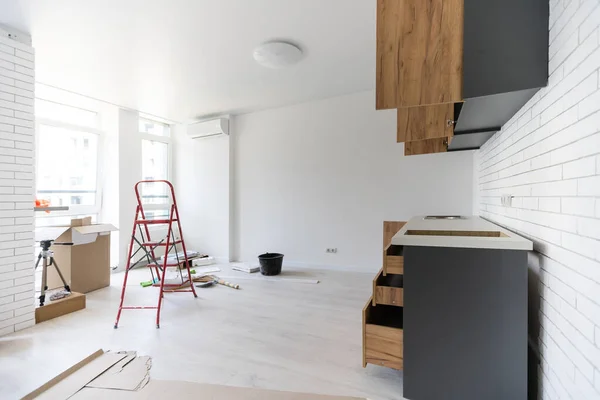
Personalisation: Making Spaces Truly Yours
Personalisation is at the core of effective interior renovation. Beyond following trends, successful projects reflect the occupant’s taste and lifestyle. This can be achieved through customised colour schemes, furniture, decorative pieces, or artwork that carries personal significance.
A thoughtfully personalised space meets both functional and emotional needs, creating a home that feels unique and welcoming. Whether incorporating family heirlooms, contemporary accents, or bespoke furniture, personalisation ensures the space resonates with its inhabitants.
The Role of Interior Design Professionals
Collaborating with interior design professionals is crucial for achieving optimal results. Designers bring creativity, technical knowledge, and practical solutions to renovation projects, elevating them from ordinary to extraordinary.
Professional input helps streamline the entire renovation journey, from conceptual planning to execution and finishing touches. They manage budgets, timelines, and quality standards while offering innovative solutions that homeowners may not have considered. Experienced designers also mitigate risks associated with construction and design, providing peace of mind throughout the process.
Conclusion
Interior renovation in Singapore is more than a trend; it is a reflection of lifestyle, culture and innovation. From embracing minimalism and multifunctional spaces to integrating smart home technologies and sustainable materials, homeowners now have unprecedented opportunities to transform their spaces. By combining professional expertise with personalization, cultural influences, and modern design trends, interior renovation continues to redefine what it means to live and work comfortably in urban environments. The evolving landscape promises exciting possibilities for creating spaces that are not only beautiful but also functional, sustainable, and uniquely yours.