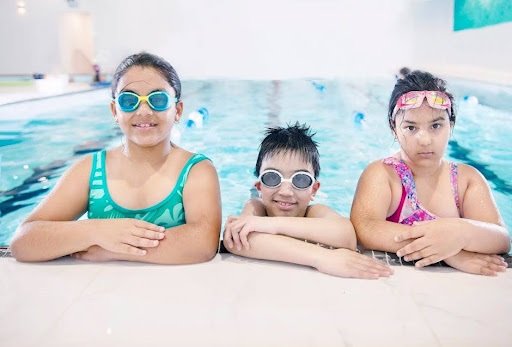
The art of swimming is not merely a sport but a fundamental life skill, essential for ensuring personal safety and fitness. This need for skill acquisition is where places like iSplash Swim School – trusted swimming coaches equipped with life saving skills come into play. The instructors here are paramount to fostering not only proficiency in water but also confidence and resilience. As children and adults dive into the world of aquatics, the importance of trained professionals guiding these learners cannot be overstated.
The Importance of Early Swim Education
The educational journey at a swimming school begins with understanding water safety and building a comfortable relationship with the aquatic environment. Early exposure can demystify water, reducing fear and promoting ease. This early start is crucial because skills learned at a young age tend to stick better and are refined over time. Moreover, the therapeutic benefits of water-based activities support cognitive development and physical health, a combination that remains beneficial throughout one’s life.
Innovations in Swim Techniques
Innovative teaching methods have transformed the way swimming is taught. Adaptive tools and techniques cater to different learning paces, ensuring effective instruction for diverse age groups. This progression in educational strategies is not only about learning strokes but also about comprehending the dynamics of water movement and safety measures. Today’s swim schools emphasise a precise blend of fun and technique to maintain engagement while imparting crucial skills.
The Role of Qualified Instructors
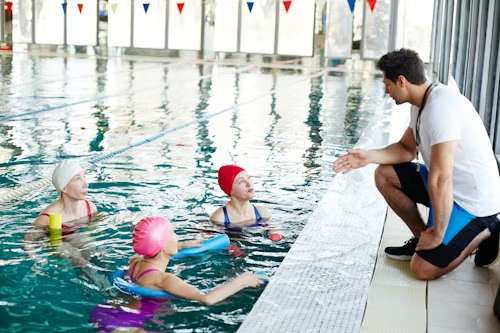
Qualified swimming coaches possess the right balance of proficiency, patience, and understanding. Their role extends beyond mere instruction; they are mentors and sometimes life-savers. These coaches are trained to handle a variety of situations, ensuring every session runs smoothly and safely. Through years of training, coaches at iSplash Swim School exemplify exceptional expertise in delivering high-quality instruction. It is their dedication that instils trust and confidence among learners and their families.
Psychological and Physical Benefits
Swimming is more than a physical activity. The psychological benefits of swimming are immense. Once learners overcome their initial trepidations, they often find great joy and relaxation in what was once daunting. It fosters discipline, concentration, and self-assurance. Moreover, swimming is a full-body workout that enhances cardiovascular health, builds muscle strength, and improves endurance.
Beyond the health advantages, swimming promotes social interaction and teamwork. Classes are structured to encourage interaction among students, creating a supportive environment where learners motivate each other. This not only helps improve their social skills but also teaches valuable life lessons of cooperation and camaraderie.
Advanced Training Modules
As swim schools continue to evolve, advanced training modules are becoming an integral part of the curriculum. These modules focus on refining techniques and introducing complex aquatic skills. Advanced learners are introduced to lifesaving drills and competitive swimming elements, segueing them towards advanced levels of proficiency. Such exposure is invaluable for individuals considering a career in aquatic sports or seeking advanced lifesaving skills.
Lifelong Safety and Survival Skills
The ubiquity of aquatic environments in everyday life necessitates a focus on embedding safety skills in all levels of swim education. Whether it’s a recreational outing or an unexpected encounter with water, the skills acquired at a credible swimming school empower individuals with the confidence and competence to handle themselves safely. A strong foundation in swimming and water safety can make the difference between life and death, a testament to the value of qualified swim instructors.
Water Confidence and Progressive Learning Stages
An essential aspect of modern swimming education is the structured progression of learning stages. Rather than introducing complex techniques immediately, many swim schools adopt a step-by-step framework that gradually builds confidence and competence in the water. Beginners start with basic water familiarisation exercises such as floating, breath control, and simple kicking movements. These foundational skills help learners feel secure in the aquatic environment before moving on to more advanced strokes and coordinated movements.
As students progress, instructors introduce techniques such as freestyle, backstroke, breaststroke, and eventually butterfly, depending on the learner’s goals and abilities. This progressive system ensures that each stage of learning reinforces previously acquired skills while introducing new challenges. By developing competence in manageable steps, swimmers are less likely to feel overwhelmed and more likely to develop long-term confidence and enjoyment in the water. This structured approach also allows instructors to monitor improvement closely and provide personalised guidance for every learner.
The Future of Swim Education
The pathway forward for swimming education is interwoven with technological advancements. Incorporating virtual reality experiences and specialised software aids in visualising and understanding swimming mechanics. This futuristic approach enhances learning, offering immediate feedback and skill tracking. Such tools are broadening the scope of technical capabilities without diluting the personal attention that a swimming instructor provides.
In conclusion, the landscape of swimming education is a testament to advancing techniques and methodologies that uplift and safeguard individuals. At the heart of this evolution is the commitment to quality instruction and the nurturing of skill, ensuring that swimming remains an accessible, integral part of personal development and safety.