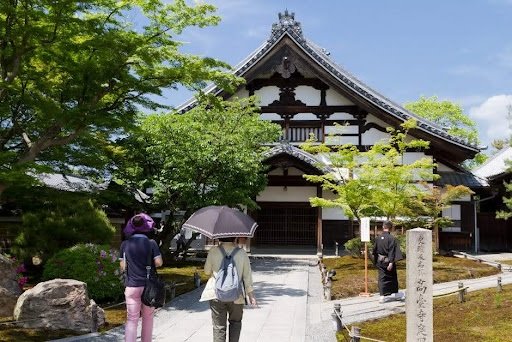
When delving into Japan’s cultural heart, a full-day Kyoto tour offers an unparalleled opportunity to immerse oneself in the city’s rich history and stunning landscapes. Begin your journey in this former imperial capital with a curated itinerary that covers quintessential sites and hidden gems alike.
Morning: Tranquil Temples and Scenic Gardens
Start your exploration with a visit to Kinkaku-ji, the famed Golden Pavilion. Kinkaku-ji is not only an epitome of Zen Buddhist elegance but also a UNESCO World Heritage site. Its reflection in the surrounding mirror pond is particularly mesmerising in the morning light, making it a perfect initial stop. The pavilion, covered in gold leaf, stands amid elegantly arranged gardens and serene water features that captivate the senses.
Next, head to Ryoan-ji, known for its minimalist rock garden, which is praised as a masterpiece of both abstract art and garden design. The arrangement of the 15 stones against perfectly raked gravel invites contemplation and a moment of peace before you set off on the rest of your day’s adventures. It embodies the Japanese aesthetic of wabi-sabi, finding beauty in simplicity and imperfection.
Midday: Culinary Adventures and Traditional Workshops
As the morning turns to midday, Kyoto’s historic Nishiki Market offers a culinary wonderland ripe for exploration. Stroll through this narrow, bustling street to experience the sights, smells, and flavours that define Kyoto cuisine. Sample Kyoto’s diverse array of dishes, from fresh sashimi and sweet mochi to local sake and pickled vegetables. The market’s over 130 shops and stalls also offer unique souvenirs and handicrafts.
Following your gastronomic adventure, delve into Kyoto’s rich artisanal heritage with a traditional tea ceremony. Opt for an interactive experience where you can learn the ancient art of tea preparation and the cultural significance of matcha (powdered green tea) in Japanese society. This not only provides a refreshing break but also offers insight into one of Japan’s most cherished traditions.
Afternoon: Heritage Strolls and Iconic Landmarks
Spend your afternoon wandering through Arashiyama, famous for its bamboo grove and tranquil setting along the Katsura River. The grove, with its towering stalks swaying in the breeze, creates a natural walkway that is both enchanting and otherworldly. Once you’ve savoured the unique atmosphere of the bamboo forest, make your way to the nearby Tenryu-ji Temple. Listed as another UNESCO World Heritage site, this Zen temple is renowned for its landscaped garden, designed to offer seasonal views of the surrounding Arashiyama mountains.
From Arashiyama, a short train journey will take you to the iconic Fushimi Inari Shrine, one of Kyoto’s most photographed destinations. Famous for its thousands of vibrant red torii gates that wind along a network of trails behind its main buildings, the shrine offers numerous vantage points that provide both stunning visuals and a glimpse into the Shinto traditions that permeate Japanese culture.
Explore the Geisha Districts at Dusk
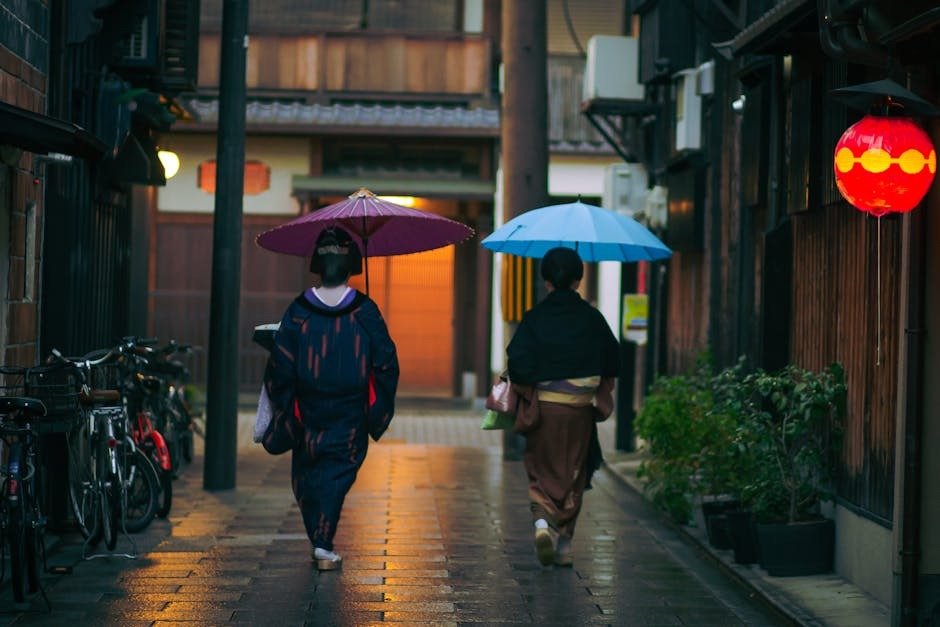
As evening approaches, Gion, the city’s historic Geisha district, awaits. The wooden machiya houses lining the narrow, cobblestone streets transport you to another era. This area is magical at twilight, when lanterns cast a warm glow over the streets. While strolling through the district, keep an eye out for geisha or maiko (apprentice geisha) hurrying to their appointments in traditional attire.
Kyoto offers many cultural shows where you can observe traditional geisha performances, featuring music, dance, and classic Japanese theatre. These presentations provide a richer understanding of the cultural heritage that geisha represent and add an air of enchantment to the evening.
Night: Reflection and Relaxation
Conclude your day with a visit to Kiyomizu-dera, an iconic temple offering panoramic views of Kyoto from its celebrated wooden stage, which are particularly breathtaking when lit against a night sky. The temple complex, with its diverse shrines and pagodas, provides an atmospheric end to a day filled with culture and tradition.
Ponder your day’s experiences as the lights of Kyoto twinkle below, reflecting on the vibrant blend of history, spirituality, and artistic beauty that defines this timeless city. The full-day Kyoto tour not only captures the essence of Japan’s past but also invites a deep appreciation for its enduring traditions.
Each stop on this guided odyssey through Kyoto interweaves past and present, inviting an unforgettable journey into the city’s soul.
Evening Culinary and Cultural Experiences
After immersing yourself in Kyoto’s historical and scenic wonders, consider indulging in a curated evening experience that combines local cuisine with cultural performances. Kyoto is famous for kaiseki dining, a traditional multi-course meal emphasising seasonal ingredients, visual presentation, and delicate flavours. Many restaurants offer intimate settings where diners can enjoy a harmony of taste, aesthetics, and tradition.
Complement your meal with a visit to a traditional theatre or cultural performance space. Experiences such as Kyoto Kabuki, Noh, or traditional music recitals provide a deeper understanding of Japan’s artistic legacy. These events allow visitors to witness centuries-old storytelling and performance techniques, giving a richer perspective on the city’s cultural fabric and enhancing the overall Kyoto experience.
Conclusion
A full-day tour of Kyoto offers an exceptional balance of history, culture, and natural beauty. From serene temples and meticulously designed gardens to vibrant markets, bamboo forests, and the enchanting streets of Gion, every stop provides a unique glimpse into the city’s multifaceted character. Incorporating culinary experiences, traditional workshops, and evening performances ensures a holistic journey that engages all senses. Whether wandering beneath the thousands of torii gates at Fushimi Inari or enjoying the seasonal flavours of a kaiseki dinner, visitors leave with lasting memories of Kyoto’s timeless charm. A day spent exploring Kyoto not only highlights its scenic and cultural richness but also fosters a profound appreciation for Japan’s enduring traditions and artistry.