
In the rapidly advancing field of artificial intelligence, skin analysis has become one of the most transformative applications. The integration of AI technology in dermatology and cosmetic science promises to enhance personalized skincare solutions and early detection of skin conditions. One prominent player in this domain is Evelab Insight – latest AI Beauty Solution, which exemplifies cutting-edge innovation in AI-driven skin analysis.
Understanding AI Skin Analysis
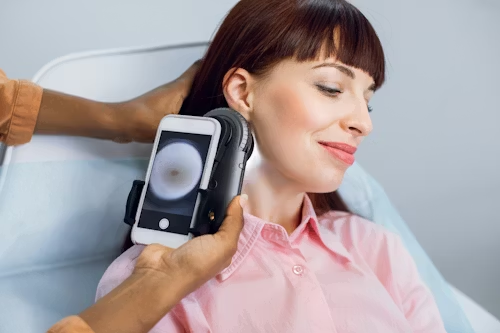
AI skin analysis involves using algorithms and machine learning to evaluate and interpret skin conditions through digital images. Leveraging vast datasets, these systems can identify various skin issues such as acne, pigmentation, wrinkles, and more by analysing the skin’s texture, tone, and other vital parameters. Unlike traditional methods, AI skin analysis provides users with rapid, precise, and objective assessments.
The Science Behind the Technology
AI skin analysis typically employs complex algorithms trained on extensive databases containing millions of images of varied skin types and conditions. These algorithms use convolutional neural networks (CNNs) to detect patterns and features in the skin, allowing for a detailed examination. By continuously learning from new data, the system evolves to accommodate diverse skin tones and rare conditions, offering experts valuable insights for developing tailored skincare treatments.
Personalised Skincare Solutions
One of the most significant advantages of AI skin analysis is its ability to offer personalised skincare regimens. Users receive custom recommendations based on their specific skin type and condition, enhancing efficacy and satisfaction. The technology can suggest products, treatment routines, and lifestyle changes, leading to improved skin health and appearance over time. This level of personalisation was previously unattainable with traditional practices, marking a substantial leap forward for both consumers and dermatologists.
AI in Dermatology Practice
AI’s application in dermatology extends beyond consumer skincare solutions; it is equally transformative for medical practice. Dermatologists utilise AI tools to assist in diagnosing skin conditions more accurately and swiftly than human examination alone. AI systems can flag anomalies that may be overlooked in visual inspections, such as subtle changes in moles or the early signs of skin cancer, thereby enhancing preventive care and treatment outcomes.
AI and the Beauty Industry
AI’s foray into the beauty industry is revolutionising how products are developed and marketed. Beauty brands can now harness AI insights to formulate products that address specific consumer needs. AI skin analysis platforms provide businesses with data-driven strategies to cater to a broader audience and optimise their product lines. This amalgamation of AI and beauty not only cultivates more customised solutions but also fosters innovation and competitiveness within the industry.
Data Privacy and Ethical Considerations
With any technology that involves personal data, privacy and ethics are paramount concerns. AI skin analysis requires individual images and data to function, raising questions around data privacy and consent. Ensuring that AI solutions adhere to stringent data protection regulations is crucial, as is fostering transparency about how data is used. Ethical practices in AI development and deployment safeguard consumer trust while promoting responsible innovation.
Challenges and Future Directions
Despite its promising potential, AI skin analysis faces several challenges. Variability in image quality, lighting conditions, and device capabilities can affect the accuracy of assessments. Furthermore, the need for extensive datasets with diverse skin types remains critical to avoid biases in AI modelling. In overcoming these challenges, the focus remains on refining algorithms and expanding database inclusivity, leading to more equitable and reliable AI applications.
Additionally, interdisciplinary collaboration is essential in evolving AI skin analysis. Partnerships between technologists, dermatologists, and cosmetic scientists drive comprehensive advancements in the field, creating more robust and effective solutions.
Real-Time Skin Monitoring and Progress Tracking
Another emerging benefit of AI skin analysis is the ability to provide real-time monitoring and long-term skin progress tracking. Through advanced imaging systems and AI-powered applications, users can regularly scan their skin and monitor subtle changes that occur over time. This allows individuals and dermatologists to track improvements in skin conditions, evaluate the effectiveness of treatments, and make adjustments to skincare routines when necessary.
By storing historical skin data, AI platforms can generate detailed reports that highlight trends such as improvements in hydration levels, reduction of fine lines, or changes in pigmentation. This continuous monitoring empowers users to make more informed skincare decisions while also enabling dermatologists to provide more accurate follow-up care. Real-time tracking transforms skincare from a one-time assessment into an ongoing, data-driven process that promotes healthier skin over the long term.
Moving Towards an AI-Enhanced Era
In summary, AI skin analysis represents a significant technological leap in both dermatology and the beauty industry. By offering precise, personalised, and efficient assessments, AI has the potential to redefine skincare and medical practices. As this technology continues to mature, stakeholders must ensure that ethical standards accompany innovation to fully harness its power for societal benefit.
Advancements in this field reflect a paradigm shift toward AI-enhanced healthcare and beauty solutions. As AI skin analysis becomes more integrated into daily practice, the commitment to improving accuracy, inclusivity, and data privacy will be vital in shaping its future impact on consumers and the industry alike.