Meta Description: Explore CPAP therapy in Singapore for obstructive sleep apnoea. Learn how this effective treatment improves sleep quality, supports health, and enhances daily life.
Singapore, a vibrant and fast-paced city, faces a growing challenge with sleep disorders, particularly obstructive sleep apnoea (OSA). Affecting a significant portion of the population, OSA can disrupt daily life and pose serious health risks. Continuous Positive Airway Pressure therapy, or CPAP therapy in Singapore, has emerged as a reliable and effective treatment for individuals struggling with this condition. Recognised as a cornerstone of modern sleep medicine, CPAP therapy plays a critical role in managing OSA and promoting overall well-being.
Understanding Obstructive Sleep Apnoea
Obstructive sleep apnoea is a common sleep disorder characterised by repeated interruptions in breathing during sleep. These pauses occur due to the relaxation of throat muscles, which partially or completely block the airway. OSA often leads to loud snoring, fragmented sleep, and lowered blood oxygen levels, increasing the risk of hypertension, heart disease, and stroke if left untreated.
In Singapore, awareness of OSA has grown alongside the rising prevalence of obesity and a broader focus on the importance of quality sleep. Early recognition of symptoms—such as excessive daytime sleepiness, morning headaches, and restless nights—is essential for timely intervention and effective management.
How CPAP Therapy Works
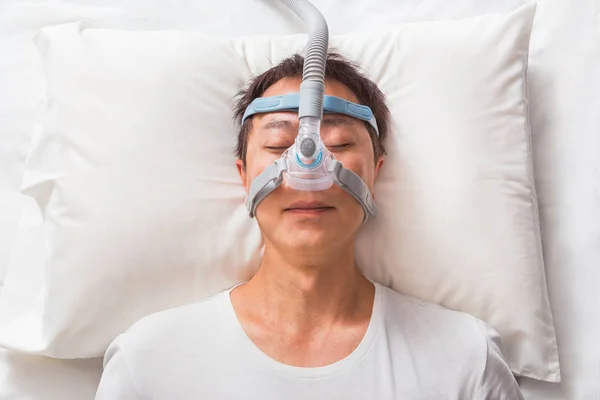
CPAP therapy involves a machine that delivers a steady stream of air through a mask worn over the nose, or both the nose and mouth, during sleep. This airflow keeps the airway open, preventing the obstruction that causes OSA. As a result, patients experience uninterrupted sleep and maintain healthy oxygen levels throughout the night.
Modern CPAP machines offer adjustable pressure settings, allowing treatment to be tailored to individual needs. This customisation improves comfort, promotes regular use, and significantly enhances the effectiveness of therapy. The use of humidifiers and specialised masks further reduces discomfort, making adherence easier for long-term users.
Accessibility and Adoption of CPAP in Singapore
CPAP therapy is increasingly accessible in Singapore due to the city’s advanced healthcare system and growing public awareness. Hospitals and sleep centres provide comprehensive diagnostic services, including polysomnography, to accurately identify OSA. Once diagnosed, patients can obtain CPAP devices along with essential accessories and receive guidance to ensure proper usage.
The rising adoption of CPAP therapy reflects not only better diagnostic practices but also a cultural shift towards recognising the importance of sleep health. Patients are now more informed and motivated to actively manage their condition, contributing to improved compliance and outcomes.
Insurance Coverage and Cost Considerations
Cost is an important consideration for many individuals seeking CPAP therapy. In Singapore, Medisave may partially cover expenses related to the diagnosis and treatment of sleep apnoea. While not all insurance policies include OSA treatments, certain health insurance plans have begun acknowledging the value of CPAP therapy, potentially providing partial reimbursement for devices, masks, and diagnostic services.
Understanding insurance coverage and cost options is crucial for patients to access effective treatment without undue financial burden. With the support of these schemes, more individuals can benefit from therapy and improve their overall health.
Technological Advancements in CPAP Machines
Recent innovations have significantly enhanced CPAP therapy, making it more efficient and user-friendly. Modern devices are compact, quieter, and equipped with advanced features such as automatic pressure adjustment, sleep data tracking, and connectivity to mobile apps. These improvements not only make the devices more comfortable to use but also encourage consistent adherence.
Smart CPAP machines allow patients and healthcare providers to monitor progress, detect issues early, and optimise treatment plans. The integration of technology into sleep therapy represents a major step forward in personalised healthcare.
Challenges and Compliance Factors
Despite these advancements, compliance remains a challenge for some patients in Singapore. Discomfort from masks, perceived inconvenience, and social stigma can discourage regular use. Addressing these issues requires ongoing support from healthcare professionals, who can provide guidance, reassurance, and education on the long-term health benefits of consistent CPAP use.
Successful therapy often depends on a collaborative approach, with patients taking an active role in managing their condition. Education and gradual acclimatisation to the device can significantly improve adherence rates and outcomes.
The Role of Education and Awareness
Raising awareness about OSA symptoms and the risks of untreated sleep disorders is crucial for early diagnosis and treatment. Community health programmes and educational initiatives in Singapore play an important role in promoting sleep health. By providing accessible information, these programmes help normalise CPAP use and encourage timely intervention.
Education empowers individuals to recognise sleep issues, seek professional evaluation, and adhere to prescribed treatments. Greater public awareness also contributes to reducing the social stigma associated with using CPAP therapy.
Future Directions in CPAP Therapy
The field of sleep medicine in Singapore continues to evolve, with ongoing research and innovation aimed at improving CPAP therapy. Emerging technologies, including artificial intelligence and smart monitoring, are enhancing personalised treatment and patient outcomes.
Public health initiatives are expected to expand further, educating more people about sleep disorders and available therapies. These efforts have the potential to increase early diagnosis, improve treatment adherence, and ultimately reduce the overall burden of sleep apnoea on individuals and society.
Conclusion
CPAP therapy in Singapore has become an essential solution for individuals living with obstructive sleep apnoea. By improving sleep quality, reducing health risks, and supporting daily functioning, CPAP offers a path to better health and enhanced quality of life. As awareness grows and technology advances, CPAP therapy will continue to play a pivotal role in the management of sleep disorders, helping more people achieve restorative sleep and maintain long-term well-being.